
Blog
The Technology Behind Anti-Condensation Paints (Part 1)
Combat indoor moisture challenges with advanced technology
Discover how 3M™ Glass Bubbles enhance anti-condensation paints, offering protection against moisture, mold, and decay.
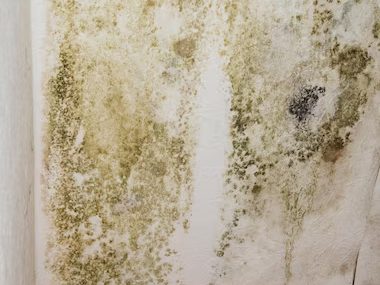
Moisture in indoor environments poses significant challenges, leading to issues such as mold, decay, and unpleasant odors. Traditional methods like dehumidifiers often fall short, making it essential to explore advanced solutions. Anti-condensation paints, enhanced with 3M™ Glass Bubbles, offer an innovative approach to moisture control, improving both the durability and performance of coatings.
This is Part 1 of our anti-condensation series.
For advanced engineering insights, real laboratory test results, and the optimized 3M™ S22 formulation, continue to Part 2
Table of Contents:
Related 3M™ Glass Bubbles Articles
Increasing Time Until Condensation: Advanced Applications of 3M™ Glass Bubbles (Part 2)
The Technology Behind Anti-Condensation Paints (Part 1)
Enhancing Wall Fillers with 3M™ Glass Bubbles
Understanding Indoor Moisture Issues
Indoor moisture in domestic, commercial and industrial environments can lead to severe issues such as mold, structural decay, and compromised air quality. Traditional methods such as dehumidifiers and ventilation systems often fall short in effectively managing moisture levels. Anti-condensation paints provide a surface-level thermal solution that reduces the occurrence of condensation on cold interior walls.
Understanding the Role of 3M™ Glass Bubbles in Anti-Condensation Paints
3M™ Glass Bubbles are engineered hollow glass microspheres designed to offer exceptionally low thermal conductivity. Their internal gas-filled structure helps paint films retain higher surface temperatures, improving resistance to moisture condensation.
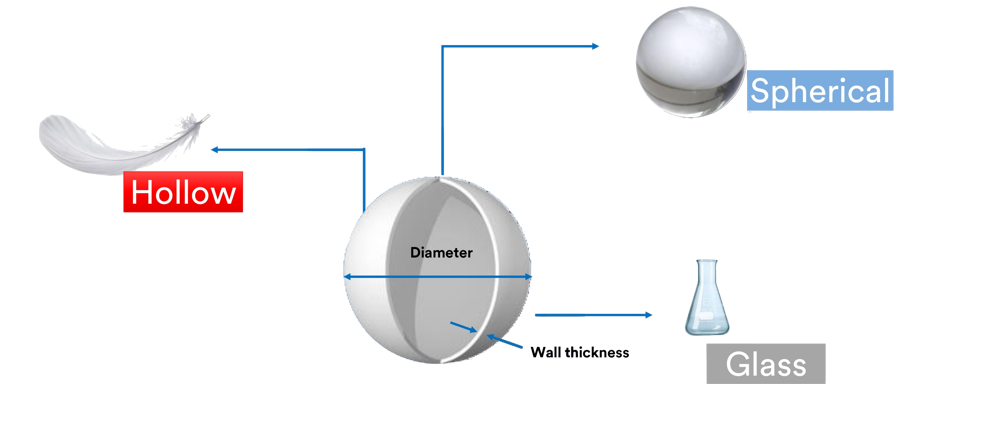
The structure of 3M™ Glass Bubbles
Key Features of 3M™ Glass Bubbles in Paints
- Thermal Insulation: The low thermal conductivity slows down heat transfer, helping wall surfaces remain warmer.
- High Strength-to-Weight Ratio: These microspheres withstand high compressive forces, ensuring mechanical durability.
- Reduced Density: Their incorporation lowers paint density, increases volume efficiency, and provides greater surface coverage per kilogram.
Performance Benefits
Incorporating 3M™ Glass Bubbles into anti-condensation paint formulations offers several key advantages:
- Extended Condensation Resistance: 3M™ Glass Bubbles help maintain a warmer surface temperature, reducing the likelihood of moisture turning into condensation.
- Moisture Control: Enhanced thermal properties help minimize moisture buildup, protecting walls from long-term dampness.
- Dry Walls and Ceilings: These additives help keep interior surfaces dry, even in areas exposed to high humidity.
- Mold and Decay Prevention: By reducing condensation and moisture accumulation, the risk of mold growth and surface deterioration decreases significantly.
Key Applications
Anti-condensation paints are particularly beneficial in high-humidity areas, including:
- Bathrooms: Daily water use generates high humidity, creating ideal conditions for condensation.
- Kitchens: Cooking activities increase moisture levels, requiring additional surface protection.
- Basements: Ground contact often results in cooler wall surfaces and persistent dampness.
- General Living Spaces: Ideal for reducing moisture issues throughout residential areas.
- Other Areas: Garages, storage rooms, and any space with frequent temperature fluctuations or humidity exposure.
These paints are versatile, offering benefits across a range of applications to protect both industrial and residential spaces from moisture-related issues.
Conclusion
3M™ Glass Bubbles play a vital role in enhancing anti-condensation paints by improving thermal insulation and moisture resistance. Their ability to maintain higher surface temperatures makes them a strong choice for moisture-sensitive environments.
Continue to Part 2 for real test data, thermal conductivity tables, density performance correlation and the optimized S22 formulation.
Continue to Part 2 for real test results and optimized formulations.
You might also be interested in...
Increasing Time Until Condensation: Advanced Applications of 3M™ Glass Bubbles (Part 2)

You might also be interested in...
Increasing Time Until Condensation: Advanced Applications of 3M™ Glass Bubbles (Part 2)
Moisture control remains one of the most persistent challenges in architectural coatings. While introductory (Part 1) anti-condensation paints offer basic moisture-management capabilities, advanced performance requires deeper engineering of thermal conductivity, dry-film density, and CPVC balance.
This second part explores the scientific mechanisms behind condensation delay, using validated laboratory data from 3M™ technical studies and optimized test formulations.
This second part explores the scientific mechanisms behind condensation delay using validated laboratory data from 3M™ technical studies and optimized test formulations.
If you haven't read Part 1 yet, start there for the fundamentals.
Table of Contents:
How can we help you?

17 Trikalon Str. | 17342 | Athens | Greece
Phone: (+30) 213 0907763
Reg. Nr.: 181737601000
VAT. Nr.: 802731899
